
Migraine Treatment Guide 2026: Prevention Paths, Botox, and What Clinics Still Get Wrong
Migraine Treatment Guide 2026: The Landscape in Plain Terms
Life favors the specific ask and punishes the vague wish — and migraine care punishes the vague wish hardest. A credible migraine treatment guide 2026 does not start with miracle cures. It starts with categories: acute (abortive) therapy to stop an attack, preventive therapy to reduce monthly migraine days, and symptom management methods that keep you functional when pain spikes. Therapies vary because migraine is a neurological condition, not a single headache type — and treatment decisions hinge on attack frequency, disability, comorbidities, pregnancy plans, and what you have already tried.
Commonly discussed approaches in 2026 cluster around three commercial-heavy lanes: CGRP-targeting drugs (monoclonal antibodies and gepants), onabotulinumtoxinA injections for chronic migraine, and infusion-based delivery when oral regimens fail or nausea blocks pills. General medical care considerations still matter — primary care can initiate many migraine prevention medication plans, but complex chronic migraines often need a neurologist or headache subspecialist who tracks medication-overuse patterns and cognitive symptoms like brain fog that standard pain scales miss.
What Counts as Migraine in 2026 (Not Every Bad Headache)
Migraine typically brings moderate-to-severe throbbing pain, often one-sided, with nausea, light or sound sensitivity, and sometimes aura (visual zigzags, numbness, speech changes). Tension-type headache feels more like a band around the head — different beast, different toolbox. Sinus headache masquerades constantly; treating it with decongestants while migraine smolders is how people burn years on the wrong protocol.
Phases of an Attack — Timing Changes Everything
Migraine unfolds in prodrome, aura (optional), headache, and postdrome. Abortive drugs work best early in the headache phase — waiting until you are curled on the bathroom floor is a strategy with terrible odds. Some newer acute options are discussed for use closer to symptom onset, including aura windows where older triptans are a poor fit. Keep track of your data: time of dose vs time of relief is the only honest scorecard.
- Prodrome: yawning, neck stiffness, food cravings, mood shifts — your early-warning system if you log it.
- Aura: reversible neurological symptoms lasting minutes to an hour — not every patient gets this.
- Headache: the phase where acute migraine medication earns its keep.
- Postdrome: exhaustion and cognitive fog — often undertreated because the pain stopped.
Acute Relief vs Prevention: The System Most People Build Backward
Most patients optimize acute migraine relief first — understandable when each attack feels like an emergency. The trap: treating too many days per month with acute drugs can feed medication-overuse headache, which amplifies disability. Prevention is the subtraction play: fewer attacks means fewer acute doses, which means fewer rebound cycles. Current information on managing migraine symptoms still supports layered plans — lifestyle baselines, trigger hygiene, then pharmacology when frequency crosses guideline thresholds.
Acute Options and Monthly Limits (The MOH Guardrail)
Over-the-counter combinations such as Excedrin Migraine from Haleon remain widely used for milder episodic attacks, but they are not free passes — caffeine-containing formulas carry their own overuse risk. Prescription triptans remain workhorses for many adults; gepants like Nurtec ODT from Biohaven Pharmaceuticals (now part of Pfizer's migraine portfolio) and Ubrelvy offer CGRP-pathway acute options discussed for patients who cannot use triptans. Ditans target a different receptor and show up when vascular concerns narrow triptan choices.
When Prevention Becomes the Rational Move
Guidelines and real-world practice increasingly treat frequent episodic and chronic migraine as prevention problems, not willpower problems. If you qualify on frequency and disability, staying on acute-only therapy is like bailing a boat without patching the hull. Migraine prevention medication classes now include beta-blockers, anticonvulsants, antidepressants, CGRP monoclonal antibodies, oral gepants, and botox for migraines in the chronic subset — each with distinct side-effect profiles and insurance hurdles.
- Track monthly migraine days and acute medication days for eight to twelve weeks.
- Bring both numbers to your clinician — frequency drives prevention eligibility.
- Ask explicitly about medication-overuse limits for your specific acute drug class.
- If two adequate preventive trials fail, escalate to headache specialty rather than cycling random pills.
- Reassess quarterly: the goal is fewer days, not loyalty to a drug that barely works.
Comparing 2026 Standouts: CGRP Drugs, Botox, Infusions, and the Strongest Migraine Medicine Question
Patients ask about the strongest migraine medicine the way shoppers ask about the fastest car — the answer depends on the track. For rapid abortive effect, potent triptans still dominate for many triptan-tolerant patients. For prevention with favorable tolerability in trials and registries, CGRP-targeting therapies draw the most 2026 attention. For chronic migraine with fifteen or more headache days monthly, botox for migraines remains a validated procedural option when oral preventives stall.
CGRP Monoclonal Antibodies vs Oral Gepants
Monthly or quarterly injections — Emgality from Eli Lilly, Aimovig from Amgen, Ajovy from Teva Pharmaceuticals — block CGRP ligand or receptor pathways. Oral gepants such as Qulipta (atogepant) from AbbVie target the same pathway with daily dosing for prevention; Nurtec and Ubrelvy sit more often in acute roles. Lundbeck and Novartis participate in broader neurological markets, while Axsome Therapeutics and Impel NeuroPharma represent newer delivery and formulation experiments patients hear about in specialist offices. GSK's research footprint in neurology still surfaces in clinician discussions even when a given product is not first-line.
| Product | Class | Typical role discussed |
|---|---|---|
| Emgality (galcanezumab) | CGRP mAb | Prevention via self-injection |
| Aimovig (erenumab) | CGRP mAb | Prevention — receptor-targeted mAb |
| Ajovy (fremanezumab) | CGRP mAb | Prevention with monthly or quarterly dosing |
| Qulipta (atogepant) | Oral gepant | Daily prevention pill |
| Vyepti (eptinezumab) | CGRP mAb | Quarterly IV prevention |
| Nurtec ODT (rimegepant) | Oral gepant | Acute treatment; some prevention use |
| Ubrelvy (ubrogepant) | Oral gepant | Acute treatment |
| Excedrin Migraine | OTC combination | Milder episodic attacks — watch overuse |
Vyepti Infusion and Migraine Infusion Therapy
Vyepti infusion delivers eptinezumab by IV roughly every twelve weeks — a different adherence curve than home injections. Migraine infusion therapy clinics market convenience and monitoring for patients who hate needles at home or need supervised first doses. Cost and prior-authorization friction dominate conversations about vyepti infusion cost with insurance — infusion fees plus drug copays can exceed self-injected mAbs even when efficacy overlaps. Still, for the right patient, quarterly clinic visits beat daily pill fatigue or monthly injection anxiety.
Botox for Migraines: Procedure, Eligibility, and Cost Reality
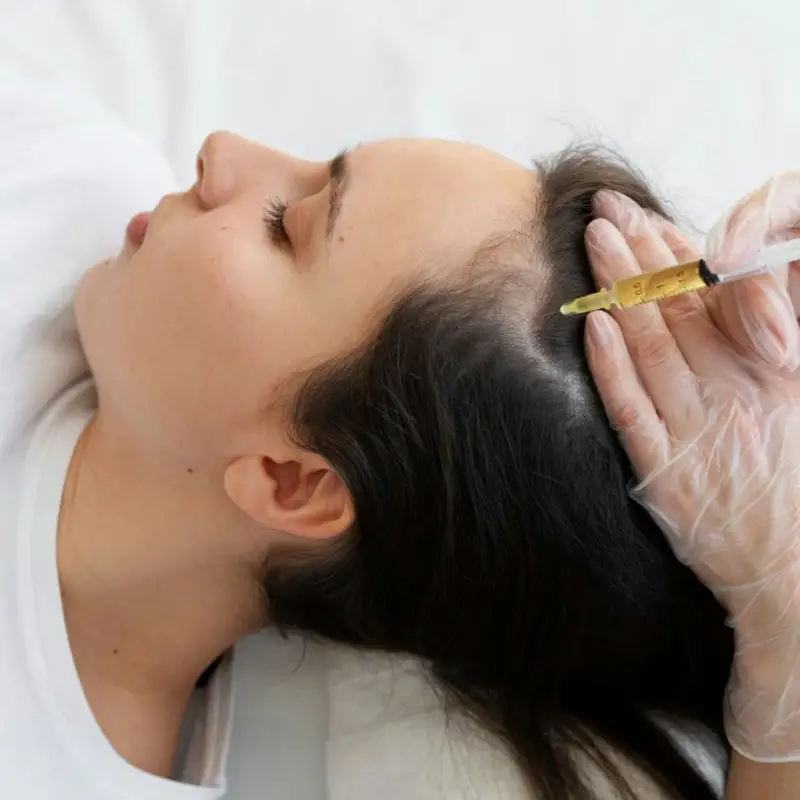
Botox Injection Therapy for Migraine follows the PREEMPT protocol — multiple injection sites across head and neck every twelve weeks for chronic migraine. It is not cosmetic Botox with a headache label; dosing and placement are standardized. Discussions of botox for chronic migraines cost 2026 often land between several hundred and a few thousand dollars per session without coverage — insurance usually demands documented chronic migraine and failed oral preventives. Onset is gradual (weeks), not next-day relief — manage expectations like an experimenter, not a lottery player.
Best Migraine Medicine Framing (Without the Hype)
Head-to-head, the best migraine medicine for you is the one you tolerate, can access, and actually take on schedule. Comparison tables in academic reviews show overlapping efficacy bands across CGRP mAbs — responder rates matter, but so do injection site reactions, constipation, hair thinning with some older orals, and cognitive side effects patients refuse to normalize. Excedrin Migraine vs generic acetaminophen-aspirin-caffeine combos is a real budget conversation for episodic patients without contraindications to caffeine or aspirin.
Finding a Migraine Specialist Near Me When the Waitlist Is the Disease
Searching migraine specialist near me or migraine headache specialist sounds simple until you hit twelve-month waits and out-of-network fees. Telemedicine Neurology Consultation services expanded access — useful for medication titration and documentation — though procedures (Botox, infusions, neuromodulation) still need local sites. Medicaid acceptance varies wildly; migraine specialist near me accepts medicaid is a common search because headache subspecialists cluster in academic centers with uneven safety-net participation.
What to Bring So the Visit Is Not Wasted
A migraine symptoms checklist beats a vague pain story. Log triggers, aura features, acute doses per week, and workdays missed. Ask about cgrp inhibitors for migraine if oral preventives failed — many insurers still demand step therapy despite shifting expert consensus. Discuss migraine aura treatment options separately from general headache plans; aura-heavy phenotypes change acute timing rules.
Services You May Hear About in Specialty Clinics
Beyond drugs: Cognitive Behavioral Therapy for Migraine, Biofeedback Therapy, Neuromodulation Therapy, and Trigger Point Injections appear in multidisciplinary programs. None replace pharmacology for high-frequency disease, but they reduce attack burden when combined — subtraction via stress physiology, not motivational posters.
Symptom Management, Triggers, and New Directions for 2026
Symptom management methods span pharmacologic and non-pharmacologic layers. Instant migraine relief at home searches spike during attacks — cold packs, hydration, sleep stabilization, and graded activity help some patients, but they do not replace prescription tools for moderate-to-severe disease. Migraine relief at home is a reasonable adjunct, not a substitute for prevention when attacks are frequent.
Trigger Identification and Prevention Diet (The Boring Lever)
Migraine trigger identification is messy science — wine, weather, sleep debt, hormonal shifts, and skipped meals overlap. A prevention diet is not one viral list; it is an n=1 experiment. Common elimination targets include aged cheeses and processed meats for some patients, but universal trigger lists waste time. Track, don't preach.
New Migraine Treatments 2026 and Clinical Trial Access
New migraine treatments 2026 headlines include novel dual-action acute combos, refined DHE delivery formats, and nasal gepant options discussed for rapid absorption without injections. Migraine clinical trials 2026 remain the path for patients who exhaust marketed CGRP agents — ask specialists about enrolling before accepting chronic disability as permanent. Migraine surgery recovery stories circulate online; invasive approaches are niche and case-selected — not the default fork in the road.
Natural Migraine Relief Without Medication — Honest Scope
Natural migraine relief without medication has a ceiling. Sleep regularity, aerobic exercise, magnesium supplementation (where appropriate), and stress-reduction protocols can shave attack frequency at the margin. Good — use them. Pretending they replace preventive pharmacology for chronic migraines is how people lose years. Combine lifestyle subtraction with evidence-based meds when frequency warrants it.
Conversation Scripts for Your Next Appointment
Specific asks beat apologetic hints. Try: I have X migraine days monthly and Y acute medication days — do I meet prevention criteria? Or: I failed these two preventives at adequate dose and duration — what CGRP option fits my comorbidities? Or: Does my aura pattern change which acute drugs are safe? Doctors respect data and clear constraints more than vague suffering — harsh but true.
Read about migraine treatment to understand how therapies may vary, what factors can influence treatment decisions, and how current information on managing migraine symptoms fits your case. Learn more about migraine treatment options as the field shifts — the 2026 guide is really a decision framework: categorize your disease, protect against medication overuse, match prevention to frequency, and escalate specialty care when trials stall. Keep track of your data, prefer games with better odds, and do not push boulder-uphill protocols just because they are familiar.
You may also like

Residential Solar Panels: How Home Energy Savings Really Work
Rooftop solar has changed from a niche upgrade into a major home investment decision. Behind the promise of lower electric bills are details about financing, storage, incentives, and system design that can determine whether the savings match expectations.

Household Energy Use: A Practical Guide to What Stays Plugged In
The quietest things in a home can be the most persistent: chargers, screens, kitchen displays and entertainment boxes that remain plugged in long after the room is empty. A closer look makes it easier to decide what deserves attention first.

Home Cooling Methods That Protect Comfort and Energy Use
A cooler home is rarely the result of one dramatic change. It comes from a chain of small decisions about sunlight, airflow, humidity, and equipment. The surprising part is which decisions lighten the load before the air conditioner has to.

State Farm Car and Home Insurance Costs: A Clear Comparison Guide
Car and home coverage becomes expensive when the comparison is built on a single total. Separate the protection you need, the deductible you can absorb, and the service you value, then see what changes the bill before renewal.